Gelişim Trans

Maritime Transport

We provide worldwide tranportation services

International maritime transport is becoming an increasingly common type of transport. 62% of Turkish exports and 54% of imports are carried out by seaway. In 2002, these rates were 47% and 46%, respectively. This trend shows the changes of Turkey’s international trade mode. On the other hand, 90 percent of the world trade is made by seaway.

The first patterns of maritime transport

Maritime history dates back to ancient times. Sea transportation carried out by the Egyptians before Christ with their boats can be seen as the first examples of maritime transport. Maritime transport has always been the most important part of trade, as it has progressed in parallel with technology. With the geographical discoveries, discovery of new regions, industrialization and the application of steam technology on ships, the range and load capacity of the ships have increased.

Our maritime transport service

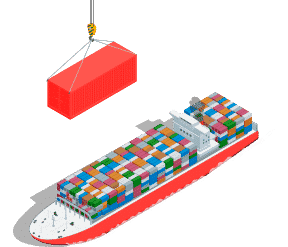
Our team is highly experienced in all kind of transportation types and is charged with ensuring that clients' loads are handled in the most appropriate and fast manner possible. We offer our customers different price alternatives, loading dates, voyage times and container types, but never compromise on quality. With our advanced transportation network, we transport your full container loads (FCL) or less container loads (LCL) to the port or address you want by seaway.

Maritime Transport Flow

The maritime transport progresses as follows:

  • 1

    We get your request

  • 2

    Necessary researches are made and the information obtained is presented to you.

  • 3

    Upon your approval, the ship will be booked.

  • 4

    All documents are prepared ahead of time

  • 5

    The container is delivered to the loading address and then the container is shipped to the port.

  • 6

    The container is loaded onto the ship after the necessary procedures are made at the port.

  • 7

    All movements of the ship up to the destination port are tracked and reported to you.

  • 8

    At the destination port, all processes you undertake according to the type of delivery are completed.

  • 9

    The container is delivered to the requested port or address
Our company carries out all certification and customs clearance procedures in coordination with you, in line with the delivery terms agreed between the buyer and the seller. In addition, in order to keep the costs at the lowest level, we strive for all loading processes to take place on predetermined dates.

Advantages of Maritime Transport

  • The most affordable transportation model
  • Suitable for high tonnage loads
  • More environmentally friendly than air and road transport
  • Suitable for combined transportation
  • Shorter trips due to transit routes created with increasing demand
  • The most suitable means of transport for medium and long distances

Disadvantages of maritime transport

  • Travel time is longer compared to other transportation models
  • The type of transportation most affected by weather conditions

Full container loads (FCL) and less container loads (LCL)

Sea freight is divided into two types, depending on the size and weight of your load. Full Container Load is expressed with the abbreviation FCL and Less Container Load is expressed with the abbreviation LCL.

FCL= Full container load

LCL= Less container load

Container types and sizes

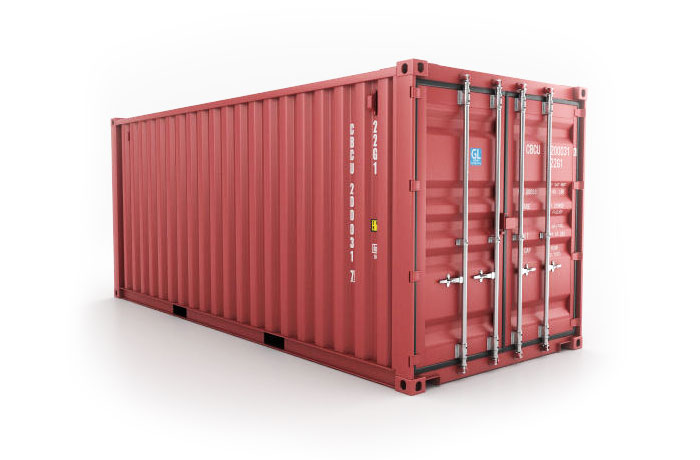
1. 20’ Container
20ft-container
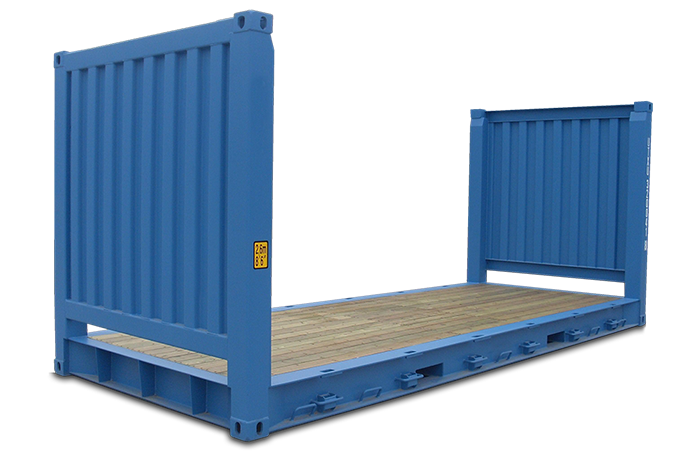
2. 20’ Flat Rack Container
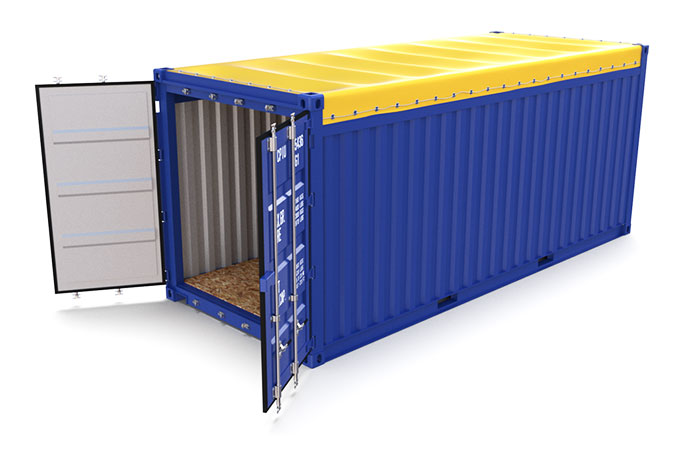
3. 20′ Open Top Container
20ft-opentop-container
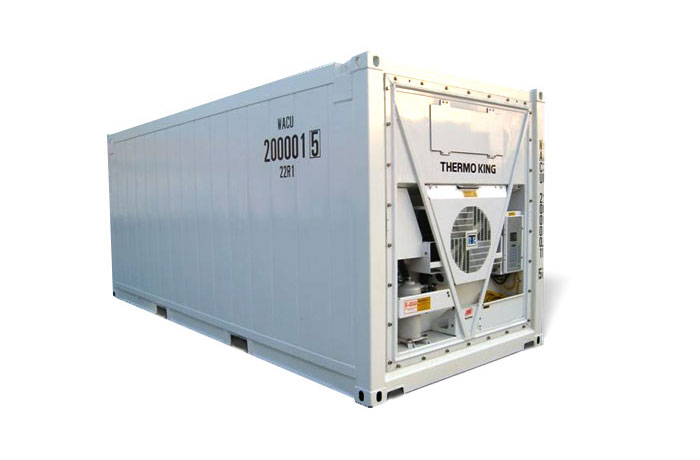
4. 20′ Reefer Container
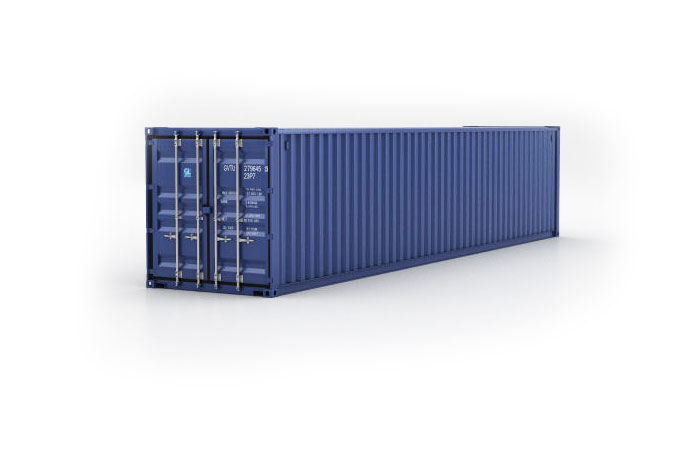
5. 40′ Container
40fr-containers_sss
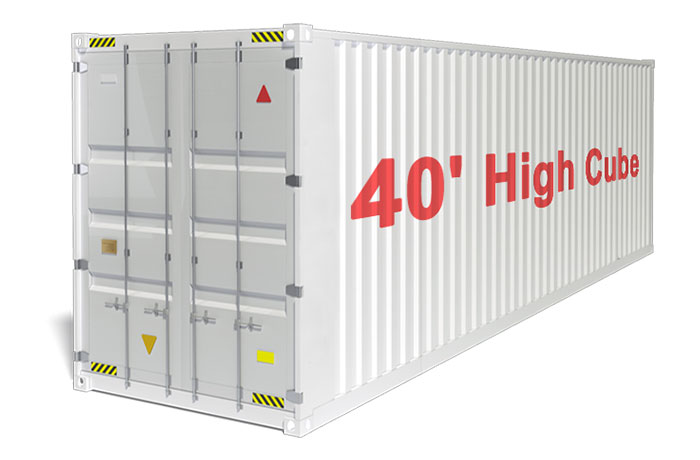
6. 40′ High Cube Container
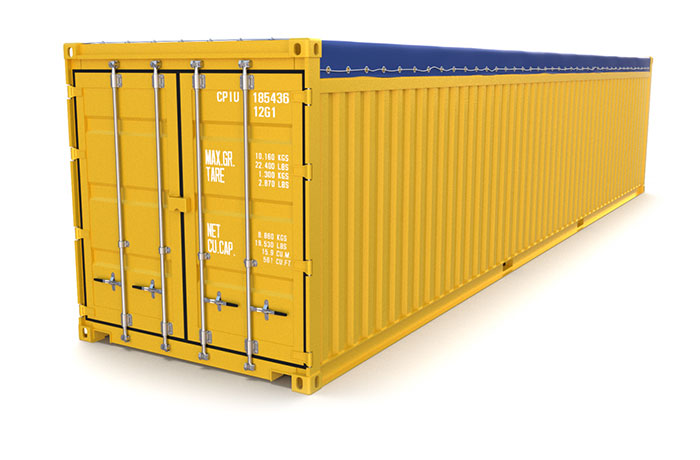
7. 40′ Open Top Container
40ft-opentop-container
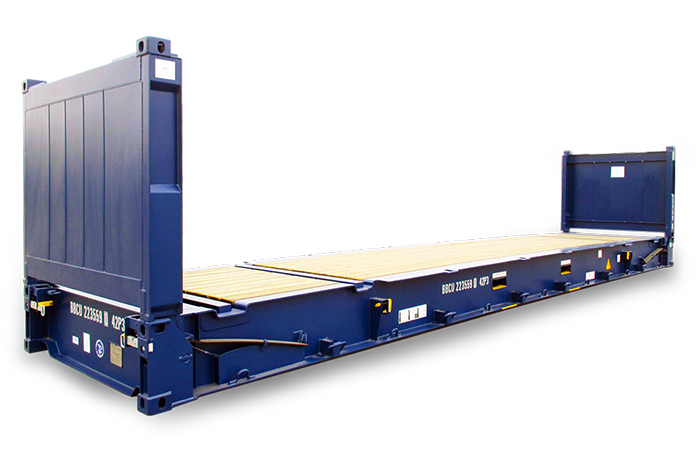
8. 40′ Flat Rack Container
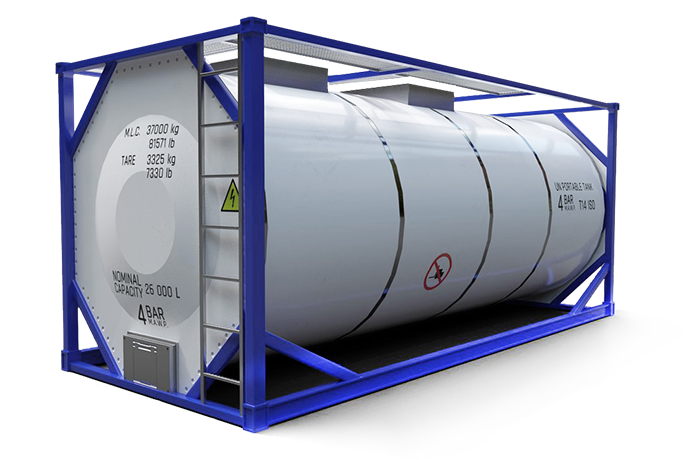
9. ISO Tank (26.000 lt)
tank_container20
Call Us